
CHCDIV002: Inclusive Practice Strategies with Indigenous Peoples
 Ruth Hall
 11 February,2026
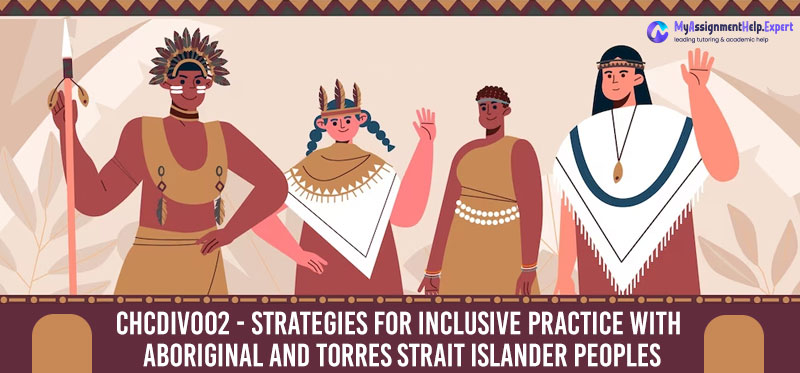
The CHCDIV002 unit is very important for community services. Promote Aboriginal and Torres Strait Islander Cultural Safety is also important in these units. It teaches you how to pay attention to the culture of people. It also helps to learn from their experiences. This unit offers a safe way to understand. Many students look for Simple CHCDIV002 assessment answers. The unit can be confusing for you when you start to read it.
CHCDIV002 Assessment Answers & Study Guide: Promote Cultural Safety
When you start doing CHCDIV002 Assessment Answer units, you face new words.
You first hear words like:
- cultural safety
- cultural competence
- cultural awareness
- unconscious bias
These words can be challenging for you to learn at first. But they get simpler with the easy-to-understand help and explanation.
Also, you will get to know some key concepts of history, like:
- the impact of European settlement
- the Stolen Generations
- intergenerational trauma
These topics help you know why many people still experience the impact of past events even nowadays. Let’s make it easy to understand for you in this guide.
This guide describes this unit using simple and short explanations. You will get to know the key components of the unit of competency.
It also involves:
- the performance criteria
- knowledge evidence
- what your learner guide wants from you
You will also learn about the role of the RTO standards. It is used to make the learning fair and consistent throughout Australia. In this unit, communication also has a major role.
You will know how to:
- speak in simple terms
- respect silence
- understand non-verbal communication
- cooperate with interpreters or cultural brokers whenever it is important and needed
These are skills that help you to get trust and make people feel safe.
This unit is a part of:
- Certificate III
- Certificate IV
- Diploma in Community Service in Australia
This guide is written with easy-to-understand words and in a friendly way. It helps you learn fast. You feel more confident. And just in case you needed extra help, MyAssignmentHelp also provides easy-to-understand notes from experts and simple explanations. You can guide yourself in studying. At this point, we can start with a brief overview of what will be discussed in this unit.
Understanding CHCDIV002 Assessment Tasks
There are three types of assessments in the CHCDIV002 unit. Students are concerned about completing the CHCDIV002 assessment answer. Tasks involve new concepts such as cultural safety and workplace diversity. The unit becomes so easy when you understand the structure. Your trainer is checking if you can apply the performance criteria and knowledge evidence in simple, real-life ways.
The starting part of the assessments is the short-answer questions. These questions are a test of what you learned. It tests your basic knowledge about unconscious bias and communication techniques. It also tests your basic idea about cultural etiquette and respectful behaviour. The answers do not need long words. Your assessor wants to see that you truly understand the unit of competency and can explain it in your own simple language.
The next part is the case study section. You will read a small story about a client or a workplace event. It is your task to discuss what you would do. This shows that you are aware of intergenerational trauma. It also shows your understanding of the impact of European settlement and the Stolen Generations. It shows you know how these factors continue to impact the Aboriginal and Torres Strait Islander communities today. It also tests your skills in non-verbal communication, interpreting, and culture brokers.
The last part is the practical observation. Your trainer watches how you act during class or placement. They test the way you talk, hear and help those people who come from other cultures. They also check your ability to follow cultural safety practices and community measures. They also test how you follow self-determination ideals. This part highlights the way you behave in real time, not just shows how you write your answers.
These tasks cannot be done without proper CHCDIV002 resources. Most students read their learner guide, RTO standard and assessment booklets. It will also help in reading the official unit information on training.gov.au. It helps you to understand exactly what is needed. Multiple RTOs use various formats. It’s consistent. But the national rules are the same.
Key Topics Covered in CHCDIV002 Answers
This unit discusses quite a lot of important concepts. These concepts help you to effectively write CHCDIV002 assessment answers. It might be hard to learn some of these concepts at the starting point. As you will see, some new words and vast ideas. However, all things become easier to understand as you cut them into small parts. Don’t get stressed, this guide will give you a simple understanding.
Your trainer looks for how you learn cultural safety and cultural awareness. They want to see your understanding of cultural competence. They also want to know how effectively you know the effect of history. It also includes your understanding of the Aboriginal and Torres Strait Islander peoples. Moreover, the unit informs you of the ways you can use good communication. It supports people safely and respectfully.
All of these suggestions guide you to build trust. It shows your respect and ability to offer safe care in community work.
Historical & Contemporary Issues
In this unit, history is very important. You have to know how the historical events of Australia altered the lives of Aboriginal and Torres Strait Islander people. Among the major events was the impact of the European settlement. It led to the loss of territory, language, culture, and family ties. It transformed life on a day-to-day basis deeply in various ways.
You will also get to know about the Stolen Generations. It is the time when a lot of children were kidnapped. This had resulted in long-term emotional pain and injury. This loss is still experienced by many families. The other important concept is intergenerational trauma. It states the fact that the damage is passed across several generations. Although those events happened many years ago. Nowadays, people can still experience sadness, fear, or stress due to what their families experienced.
Once you learn these subjects in history, you start to realise how cultural respect is so valuable. You also understand why some people may feel shy, quiet, or unsure when using services. Your trainer wants to see that you can connect history with real feelings and behaviour in today’s world.
Key points you can use in answers:
- Past harm can still affect people today and may cause worry or fear
- Many families lost their homes, land, and cultural ties
- Trauma can pass through families and impact well-being across generations
These short sentences make your assessor see your understanding. They see that you know the connection between the past events and the experiences people have today.
Cultural Safety vs. Cultural Competence
These two terms keep coming up in your activities. They sound the same, yet the meaning is different. Cultural competence has to do with knowing facts and skills of a different culture. One has to learn this through learning, listening, and questioning.
On the other hand, there is cultural safety. It is about how others feel. It states the person is at ease, being supported. It states the person is respected and safe. Although you may know much about culture, they can not be sure of it until the care feels supported.
Another important aspect is that you learn to prevent unconscious bias. It is the thoughts or feelings that you do not know you have. You are taught to follow cultural rules. It is the right way of respecting people in various societies. In this unit, you also learn to use good communication techniques. It matches action results with what you intended to do.
In some cases, you might have to collaborate with interpreters or cultural brokers. It happens in case the language or the customs are different. This guide makes sure that the experience is safe for all.
Simple way to remember the difference:
- Cultural competence = what you learn
- Cultural safety = what they feel
- When both sides collaborate, it results in self-support
Effective Communication Strategies
One of the key skills of this unit is communication. You get to know how to talk clearly, listen properly and use calm language. Silence is also part of thinking and decision-making. Many Aboriginal and Torres Strait Islander peoples use silence. Silence is not a bad thing. It means people have time to think and reflect. You should not hurry them and have to respect this.
You will also get to know about nonverbal communication. Your body gives a message through eye contact, hand gestures and posture. Body language may have various meanings across cultures. You should pay attention and be careful.
There are times when a little extra help is needed to communicate effectively. You can either work with an elder. You can also work with an interpreter and a cultural broker. This can help you in making sure that your message is clear and respectful.
Important communication ideas:
- Respect silence and allow time for thinking
- Use simple words and a gentle tone
- Pay attention to your body language because it sends strong messages
These simple skills help you build trust and show care in every interaction. They also help you write strong answers for this unit because they show a real understanding of safe and respectful communication.
Sample CHCDIV002 Case Study Scenarios
Case studies are a big part of this unit. They help your trainer see how you would act in real situations. These assignments are challenging to many students as the stories are serious and emotional. But when you break these stories down into a few steps, they become far simpler. The following are two typical forms of scenarios. It states methods of responding to them.
Case Study 1: Family Wants a Traditional Healer
You are supporting an Aboriginal client in a health setting. Their family asks if a traditional healer can join the care plan. The workplace has rules, but it also respects cultural choices.
How to answer this scenario:
- Say you will listen to the family with respect.
- Explain that you will speak with your supervisor.
- Check the workplace rules about including community healers.
- Questioning the client about what makes them feel comfortable and safe.
- Collaborate with the medical staff and the healer to develop a balanced or integrated program.
Good responses highlight that you are aware of healthy cultural practices. It shows you know the voice of the client.
Case Study 2: A Client Is Quiet and Avoids Eye Contact
The client is a Torres Strait Islander. They are hardly vocal and rarely employ their eyes. One of your new employees believes he is angry or upset. Yet you have heard that in some cultures, no sign of emotion and no eye contact is common and normal.
How to answer this scenario:
- Teach that there is a thinking style of silence, it is not anger.
- Use gentle communication methods to build trust.
- Be easy-going and calm, avoid anger.
- Allow the client time to speak when he or she feels like it.
- Let the new worker know that body signals can mean different things.
A good answer shows you understand community behaviour and respond in a kind, safe way.
Essential CHCDIV002 Resources for Students
Good study tools make this unit much easier to understand. Many students feel lost at first, but the right materials help them follow the tasks and write clear answers without stress. Every training provider uses different booklets, yet all of them follow the same national training rules.
Your first and most helpful tool is your learner guide. It explains the unit, the tasks, and what your trainer is looking for. This guide also shows the important ideas you must understand, such as the performance criteria for each task. When you read it slowly and clearly, the whole unit becomes much easier.
Your assessment booklet also follows national RTO standards, even if the layout looks different at each provider. This booklet explains the short questions, the case stories, and the practical checks. It guides in understanding the way to highlight safe and respected practice in the work. It includes Aboriginal and Torres Strait Islander peoples.
You may also see some policy documents during your study. Such factors involve rules such as the Racial Discrimination Act 1975. This rule helps to know the importance of fairness and respect in community work. These laws lead to services making safe decisions on behalf of all people.
Some RTOs also give small guides about speaking clearly, listening well, and understanding body language. These simple communication techniques help you build trust with clients and work respectfully.
A little extra help is always helpful for clearing practices and laws. In case you need extra support outside the classroom, MyAssignmentHelp also offers expertly written, simple notes and easy explanations. It will help you study with confidence.
Check Out Related Course Codes:
Ultimate Guide to CHCPRP003 Assessment Answers
Guide To The ‘HLTWHS002 Follow Safe Work Practices’ Unit
Sitxfsa002 – Participate In Safe Food Handling Practices
HLTAID011 Assessment Guide: Ace Your First Aid Evaluation
CHCDIS007 Facilitate The Empowerment Of People With Disability
CHCDIV001 Work with Diverse People Assessment Answers
CHCPRT001 Assessment Answers – Children and Young People at Risk
HLTWHS001 Workplace Health and Safety Assessment Answers
Frequently Asked Questions
Q1. What is the main goal of CHCDIV002?
The key objective of this unit is to guide you in developing cultural safety in Aboriginal and Torres Strait Islander peoples. This makes sure that one person feels respected, welcomed and secure when using a service. The unit educates you on how to be nice. It teaches you how to know culture. You will understand how to take care of people in the appropriate manner.
Q2. How do I show evidence of cultural safety in my workplace?
You can show evidence by using respectful communication and following local cultural expectations. This includes listening well, giving people time, asking before you act, and checking with supervisors when unsure. You can also show respect by learning about community customs and using safe behaviour in every interaction.
Q3. Where can I find CHCDIV002 assessment answers online?
You can find clear study notes in your RTO’s learner guide and assessment booklet. These tools explain what your trainer wants. You can also look for simple help online from trusted study sites that easily explain CHCDIV002 assessment answers. If you want extra support, MyAssignmentHelp shares short notes and simple guidance to help you learn.
Stuck on a specific CHCDIV002 task?
It is completely normal to feel stuck while working on this unit. Many students find some questions hard because they talk about culture, history, and safe behaviour. These topics can feel heavy when you first read them. Do not stress. It happens to almost everyone.
If you feel unsure, start by going back to your study guide. Read the section for that task slowly. The guide often explains the idea in simple steps. It also shows what your trainer wants to see in your answer. If the guide still feels confusing, you can ask your trainer to explain the task more clearly. Trainers are used to helping students understand difficult parts.
If you are still confused, try breaking the task into small pieces. Write down the question in your own words. Then think about what a safe and respectful worker would do in that situation. This simple method helps you find ideas for your CHCDIV002 assessment answers without feeling lost. Many students use this approach to stay calm and focused.
You can also talk to classmates. Sometimes another student explains it in a way that feels easier. You may also check your workplace notes if you are on placement. Real experiences can help you understand the question better.
Conclusion: Your Takeaway From This CHCDIV002 Guide
CHCDIV002 is an important unit because it teaches you how to work with respect and care. When you understand the main ideas, the tasks feel much easier. You learn how to support people kindly, follow community needs, and use clear communication to build trust with clients.
The unit also helps you understand how past events still affect people today. This knowledge shows you why safe actions matter in every workplace. When you use a calm approach and take your time, you can complete each task with confidence. Your study tools, your trainers, and your own practice all help you grow. If you ever feel unsure, you can always read your notes again or ask questions in class. There is no need to rush. Learning should feel steady and clear.
If you need more guidance, MyAssignmentHelp offers simple notes and friendly support that can help you stay on track. Now that you have read this guide, you can understand the unit better and write your CHCDIV002 assessment answers with much less stress.